Lockheed C-130 Hercules
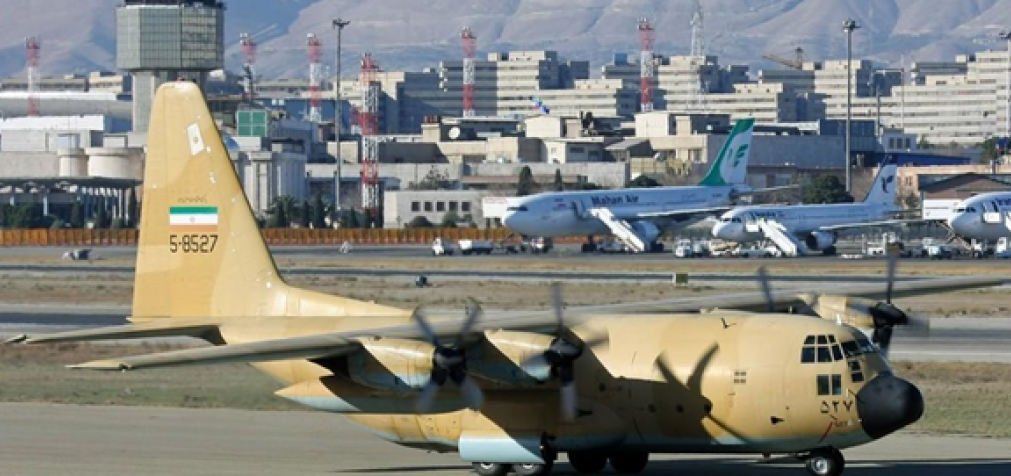
- Since the release of its original design specifications in 1951, the C-130 has proven to be an enduring symbol of versatility and reliability in military aviation. The inaugural model, the C-130A, debuted with four Allison T56-A-11 or -9 turboprop engines, leading to an order of 219 units, with deliveries commencing in December 1956. Following this, the C-130B variant was introduced, featuring the upgraded Allison T56-A-7 engines, with the first of 134 units entering service in May 1959. In August 1962, the C-130E was launched, with an order of 389 units utilizing the same Allison T56-A-7 engines but enhanced with two 1,290-gallon external fuel tanks and an increased maximum takeoff weight. The C-130H was unveiled in June 1974, featuring the more powerful Allison T56-A-15 turboprop engine. While it retained a similar external appearance to the C-130E, the performance enhancements were significant.
- The latest iteration, the C-130J, was introduced into service in February 1999. This model stands out with its six-bladed composite propeller paired with the Rolls-Royce AE2100D3 turboprop engine, delivering considerable advancements in performance compared to its predecessors. Additionally, the C-130J-30, a stretched variant featuring a 15-foot fuselage extension, further amplifies the aircraft’s capabilities.
- Today, the C-130 stands as a vital tactical airlifter for military forces around the globe. With over 40 different variants, including civilian models known as the Lockheed L-100, this aircraft is operational in more than 60 countries, showcasing its global significance and versatility.
- Specifications: Crew: 5, Engine: C-130B Allison T-56-A7, C-130H Allison T-56-A-15, 4,058 hp, Wing Span: 40.4 m, Length: 29.8 m, Maximum Speed: 621 km/hour, Service Ceiling (loaded): 7.000m or 23,000 ft, Service Ceiling (empty): 10.000m or 33,000 ft.
IATG services for C-130H and C-130E Hercules
- Comprehensive supply of parts.
- Reliable repair and maintenance services of parts.
- Specialized engine overhaul services
You can easily contact us for more information.